In the past, people attended events for the keynote speaker or other content on the agenda. That's shifted.
People show up to events for one reason above all others now. Studies suggest that 58% of attendees cited networking as their primary motivator for attending in the past year, compared to just 39% back in 2021. For event organisers, this single insight should reshape how you plan large or small events.
The challenge, however, is that most still build agendas around keynotes and general sessions. As a result, networking becomes an afterthought. A happy hour at the end of the day misses the point that attendees don't always want random mingling, but relevant conversations with the right people.
This is where small events win. A 50-person workshop has the space and flexibility that a 2,000-person conference doesn't. It gives planners the freedom to curate, segment, and design experiences that speak to specific roles, industries, interests, and professional challenges rather than speaking to everyone and therefore to no one.
Why small events are becoming the strategy
There's been a measurable shift in how organisations are thinking about their event portfolio. Fifty-eight percent of event teams now plan to host more small in-person events with fewer than 200 attendees, according to Forrester's 2024 research.
Small events are easier to personalise and cost-effective to execute. To some extent, they even have a better ROI. A regional workshop or intimate customer gathering costs a fraction of what a national conference does and ensures people are more connected. Because attendees meet the people they came to meet, they perceive higher value. Retention improves and word-of-mouth grows.
And when time is limited and budgets are tighter, businesses are opting for quality interactions over large attendance numbers. An organisation running a series of small, curated events across regions can reach the same audience they would at a single massive conference, with more meaningful interactions and lower logistical overhead.
What attendees value at small events
1. Real professional connections
People come to events to meet other people. That hasn't changed. What's changed is what they expect from those meetings. They're no longer interested in surface-level networking. They want to meet people who can help them in solving a specific challenge or exploring a new direction.
At small events, when everyone who faces similar challenges are in the same room, conversations become immediately relevant. For instance, a finance manager from a retail company doesn't need to explain why inventory costs affect budget since everyone there understands.
2. Customised agendas
When you're running a small event, you have the flexibility to offer different sessions at the same time and let people choose what’s important for them. Instead of one broad keynote on industry trends, you can offer three focused 30-minute sessions happening at the same time slot. This way, everyone walks out having learned something directly relevant to their work.
3. Immersive experiences
Immersive doesn't mean expensive production value or elaborate design. It means an environment where people feel like something intentional is happening. At a small event, this comes from the fundamentals done well.
For example, create a comfortable lounge area, or schedule breaks deliberately so people have time to talk rather than rushing between sessions. When there's the time and space to talk, the event feels curated and exclusive.
How to design small personalised events
1. Start with a clear reason
Small events work best when the purpose is explicit and narrow. The goal is not to replicate the scope of a large conference on a smaller budget, but to create a focused moment that justifies people showing up in person or logging in virtually. The purpose should shape every design decision that follows. When the reason is clear, choices around format, agenda length, and experience design become more streamlined.
2. Gather attendee data
The foundation of good personalisation is real data. You can't match people well if you don't know what they need. Some organisers use technology like attendee matching tools to automate this, and those work well. But the technology only matters if you've first collected information about what each person wants. If registration asks generic questions, you get generic data. If it asks specific questions such as their role and challenges, you get information that will help shape the experience.
3. Design for flow
In smaller programmes, attendees notice how things connect. Because there are fewer parallel tracks and fewer distractions, friction stands out quickly. Good design focuses on continuity: clear transitions, predictable pacing, well-thought-through sessions and enough breathing room in between. When flow is considered early, the event feels deliberate instead of compressed.
4. Match the format with the conversation
Small events offer a degree of flexibility that large ones just cannot. Panels can turn into discussions, while presentations can leave space for questions without running behind. Designing the format around how people are expected to participate creates more value than forcing a fixed structure.
5. Make logistics invisible to attendees
On a smaller scale, operational issues are harder to hide. A delayed check-in or missing information quickly becomes part of the attendee experience. Design work should account for these moments upfront: simple registration flows, clear communications, clearly marked spaces and tools that reduce manual coordination. When logistics are handled quietly in the background, attendees can focus on why they came rather than what is missing.
6. Measure success beyond attendance
The impact of a small event is rarely measured by headcount alone. Follow-up conversations, session engagement and post-event actions are often more valuable than volume. Designing with these outcomes in mind influences how content is shared afterward and data is captured. Small events succeed when they lead somewhere, not just when they fill a room.
The personalisation framework: before, during and after the event
Personalisation should run through the entire event lifecycle. To ensure that, send relevant information to attendees before the event. Generic event emails underperform dramatically. Use sharper subject lines, segmented audience groups, personalised messaging and different calls-to-action. Remember, you're not sending the same email about your event to everyone. A speaker gets a different message than an attendee. Someone registering early gets different messaging than someone registering at the last minute.
During the event, make intentional matches happen. Technology can help here. Some event platforms use AI to recommend sessions or suggest networking partners based on attendee profiles. But even without fancy tools, you can manually introduce people. If you know person A is looking to solve a problem that person B specialises in, make that introduction happen in person. Create spaces where people can have conversations, and don't pack the event schedule so people can enjoy the breaks and connect.
After the event, follow up meaningfully. Send attendees the recordings or notes from sessions they attended. Facilitate introductions between people who connected at the event. Send timely post-event feedback, asking attendees what worked, what didn't and what they'd change next time. Use that feedback to improve your next small event.
Conclusion
Small events work because they treat attendees as individuals, not as an audience. When you design around needs instead of guessing them, when you create space for honest conversations instead of hoping they happen.
The difference between an event that people forget and one they tell others about comes down to intentionality. Every choice, from who you invite to how you structure your day, either enables connection or gets in the way.
To make this easier, download this Small Events Checklist eBook to build events people would want to attend.
About the author
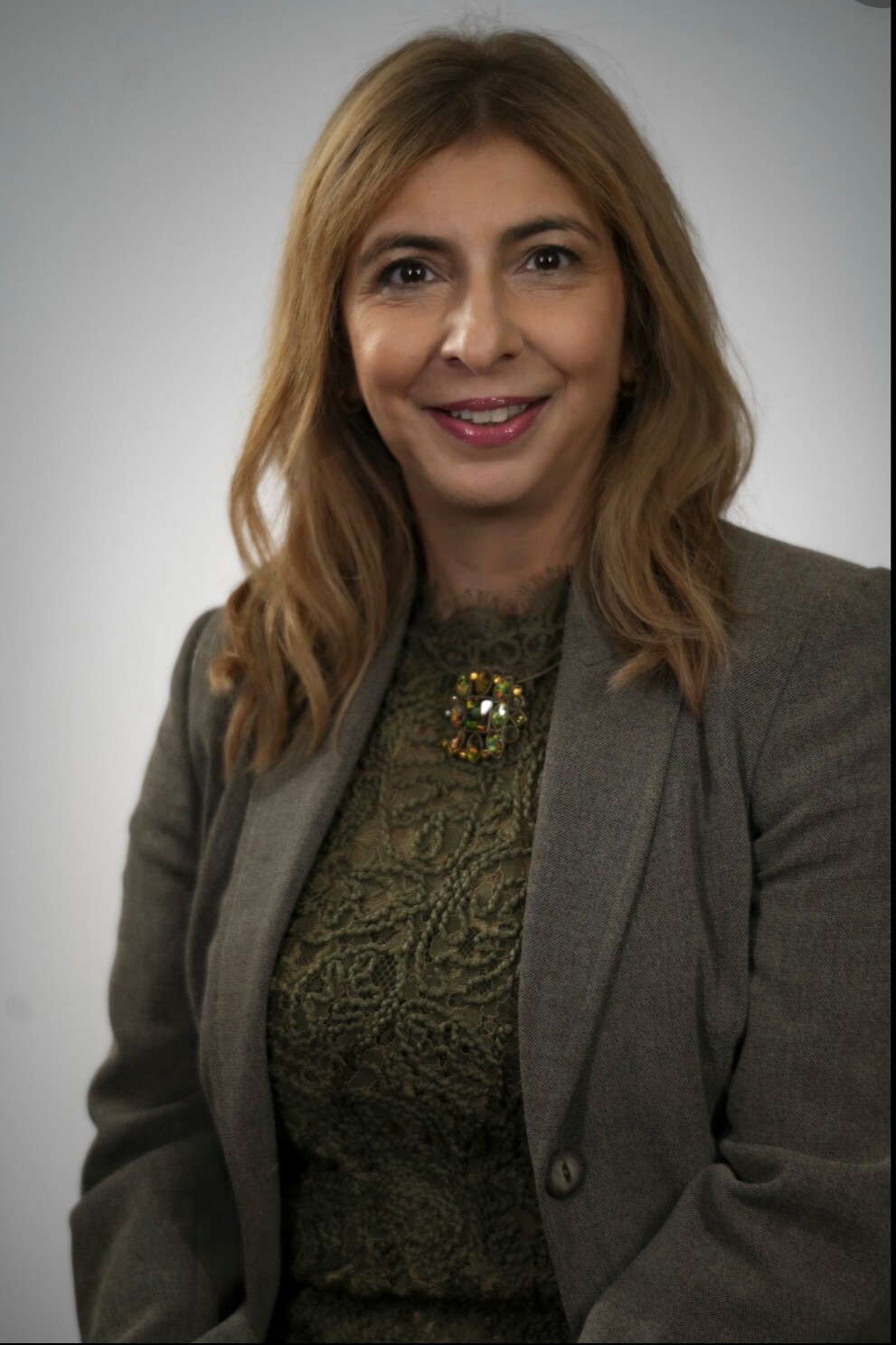
Diana Tamboly is a senior marketing manager for Cvent's Hospitality Cloud business in Europe. In her role, she is responsible for setting and managing the strategic marketing direction for Venue Directory, a Cvent company.